03 / Ensemble & spoken text
An Unquiet Mind
A phrase becomes part of a larger musical texture.
From the composer
Programme note.
An Unquiet Mind brings spoken phrases into the changing texture of a chamber ensemble. Speech and instruments share the same musical time: an utterance can emerge from sustained sound, interrupt a gesture or pass between performers. Rhythm, register and timbre shape the relation between each part and the ensemble.
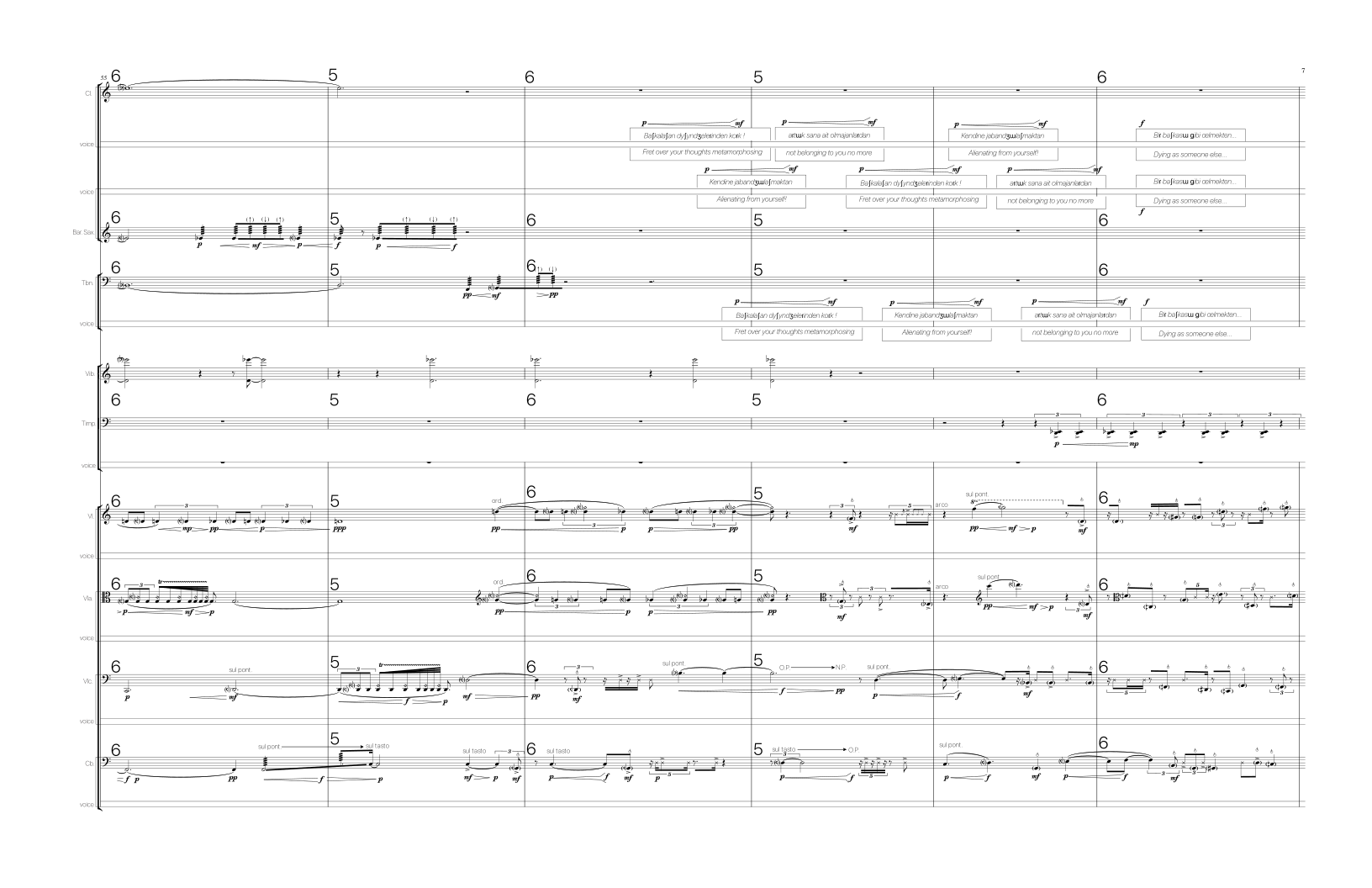
The score moves between long tones, brief articulations and more densely coordinated passages. Changes in bow contact, dynamics and rhythmic subdivision alter how the parts combine. Spoken material adds another layer of pacing and articulation, with its entrances written into the ensemble.
The selected system layers spoken phrases in the clarinet, saxophone and trombone parts over active strings. The phrases enter at different times before aligning near the end; vibraphone and timpani give the passage changing percussion colours. Speech becomes part of the ensemble's rhythmic and textural activity.
The central compositional question is how continuity emerges from distinct kinds of activity. A spoken phrase, a wind swell and a recurring percussion figure can remain identifiable while contributing to a larger musical shape. Attention can move between exposed details, a full tutti and the quieter texture that follows.
Music, perception & neural representation
How do speech and sound form a whole?
The score brings linguistic meaning and musical organization into the same interval of time. Repetition can change how speech is heard: in the speech-to-song illusion, repeating an unchanged phrase shifted judgements toward singing. [1] That result gives a clear example of listening history changing a percept; it does not establish that An Unquiet Mind produces the same illusion.
Neural work using the speech-to-song contrast further connects perceptual interpretation with pitch-sensitive auditory processing. [2] Here the compositional question is broader: whether attention follows the words, their vocal contours, a sustained instrumental field, or a relationship among them. These alternatives suggest separable listening judgements.
Density, dynamics and articulation invite questions about musical tension. Research distinguishes several dimensions of reported musical feeling and their neural associations. [3] Here, listeners' ratings would need to be aligned to a recording; notation alone does not establish a perceptual effect.
Within Musical Intelligence, I would begin with acoustic change and temporal persistence, then test their relation to reported continuity and tension. [4] Speech comprehension and text meaning would be recorded separately. Comparing matched passages with and without intelligible text could help distinguish contributions from the words and the ensemble, with acoustic differences controlled. Across these three works, MI offers a way to make my questions about listening explicit and revise them against observation.
Prospective questions for listening research. No listener measurements, brain recordings or MI analyses of this composition are reported in this edition.
My Musical Mind · 10 October 2026 · pages 7–9
Read the original presentation↗